
The Sensory In-Store Experience: The "Five Senses" Philosophy


The Sensory In-Store Experience: The "Five Senses" Philosophy
At the Mandarin Gallery showroom, the marketing campaign transitions from a digital narrative to a sensory reality. The atomi team will implement a "Five Senses + Sixth Sense" approach to retail, ensuring every visitor experiences the "atomi Intelligence" firsthand.
Sight and Sound: The Atmosphere of Tranquillity
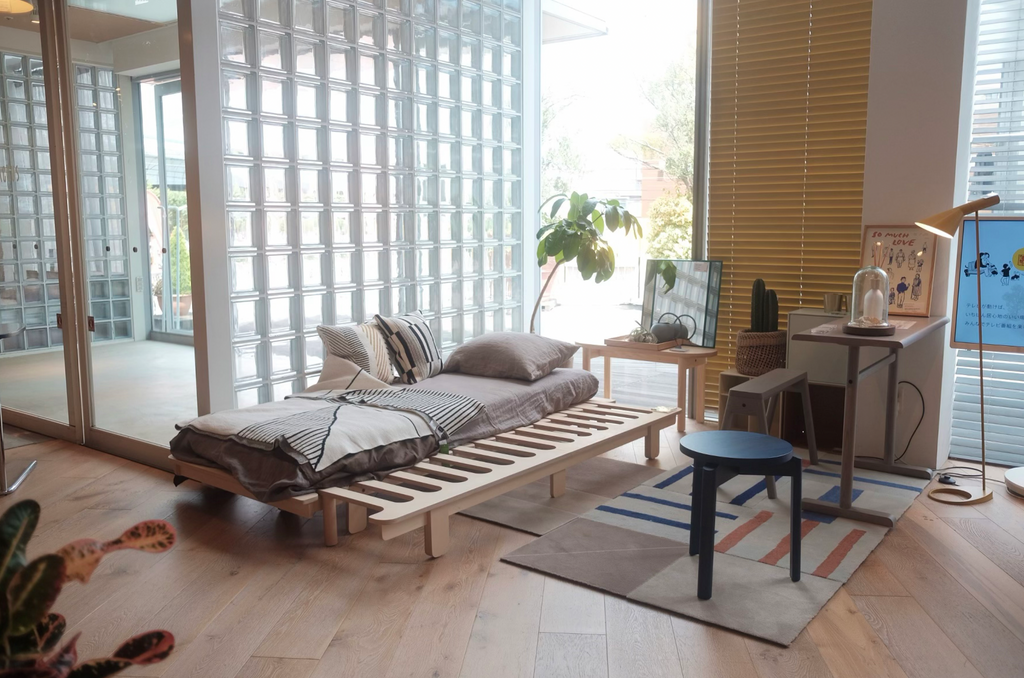
The showroom will move away from "hospital-like whites" toward a palette of "Earthy Clay" and "Soft Oat" that reflects current design trends. Lighting will be strategically designed using "Cove Details" to mimic the soft, natural light of a Singaporean evening, emphasizing the natural grain of the walnut and oak surfaces.
The acoustic environment will feature a curated selection of ambient Japanese sounds—recorded from the forests where the wood is sourced—to create an immersive "biophilic" atmosphere that reduces stress and improves consumer well-being.
Touch and Smell: The Tactile Connection
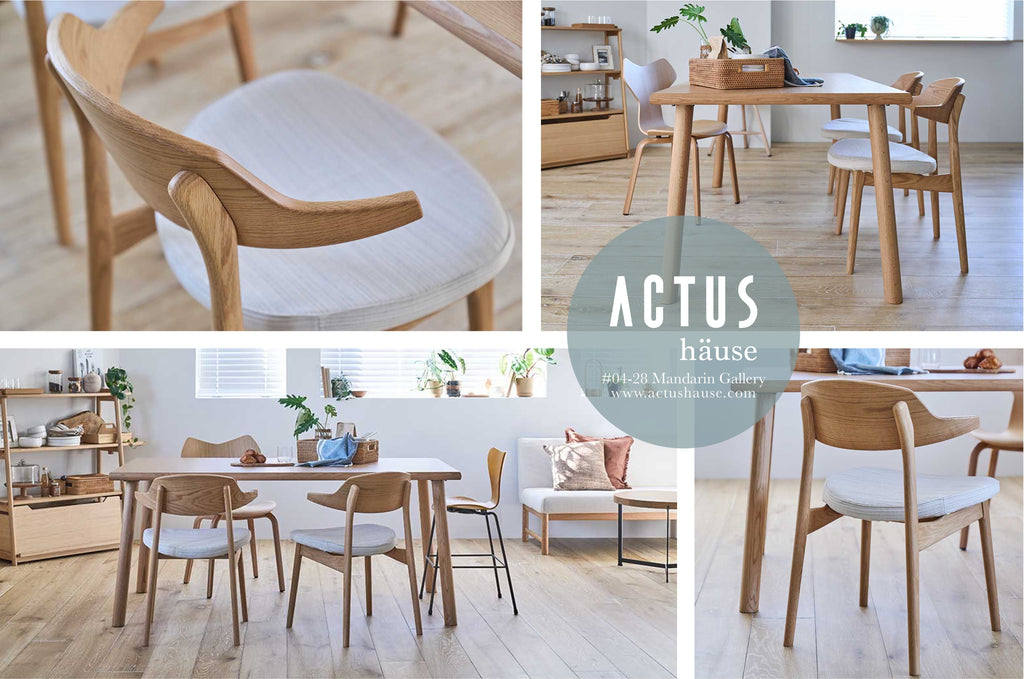
The "Materials Bar" will allow customers to handle samples of the different SOUP "ingredients." This includes raw solid wood, various upholstery fabrics (linen, wool, synthetic leather), and the textured steel of the Gamma legs.
To engage the olfactory sense, the showroom will utilise scent diffusers featuring "Hiba Wood" or "Hinoki" essential oils, creating an immediate psychological link between the brand and Japanese forest heritage. Pure tin drinkware from "Nousaku" will be used to serve beverages, providing a cool, weighted tactile experience that reinforces the brand's commitment to quality materials.
Taste: The Collaborative Experience
Partnering with high-end Japanese suppliers, atomi will offer a "Taste of Japan" experience during private consultations.
-
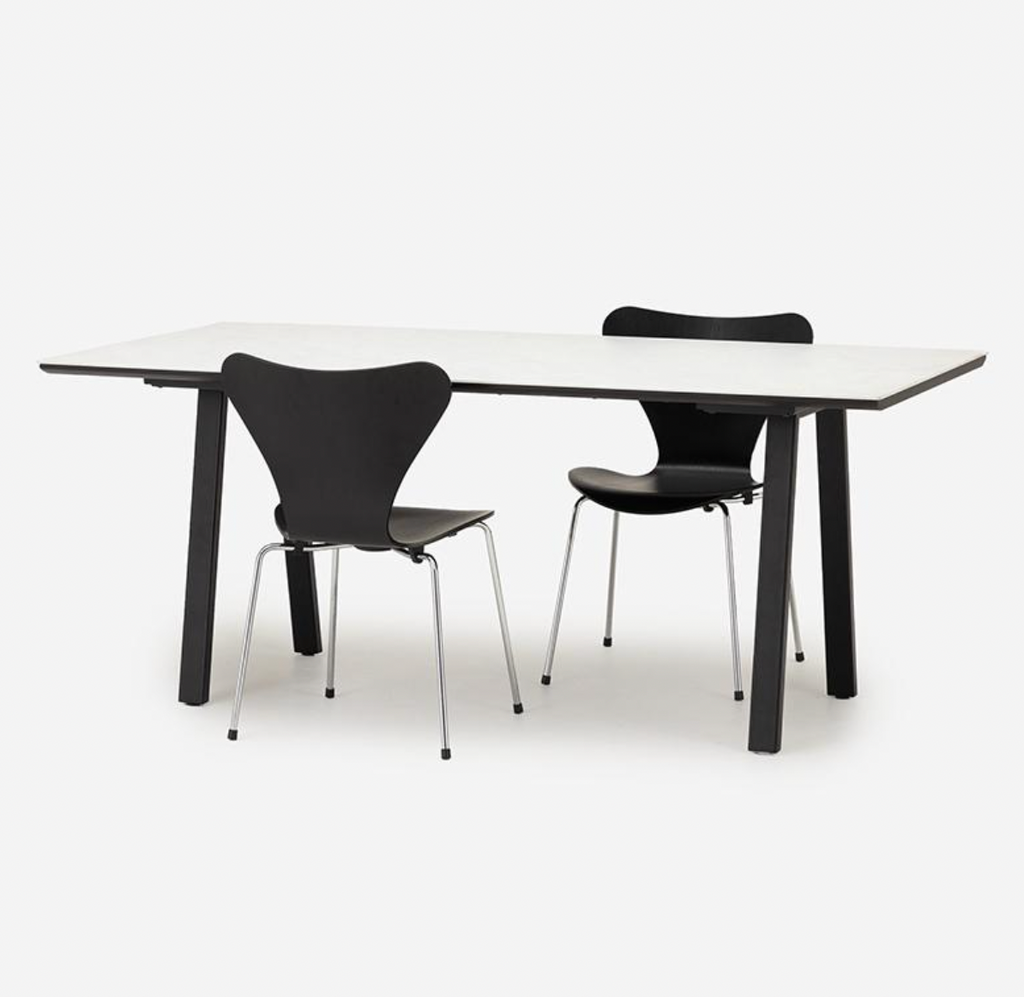
Speciality Coffee: Partner with "atomi," which serves roasted Japanese speciality beans, to serve hand-dripped coffee at SOUP dining tables. The use of a handcrafted coffee dripper will reinforce the "atomi Intelligence" fusion of art and function.
-
Artisanal Sake: Collaborate with "The Art of Sake" or "Sake Mama" to host "Sake Pairing Sessions" for VIP clients. Certified sommeliers will guide guests through the stories of breweries like "Dassai" or "Juyondai," mirroring the "storytelling" approach of the SOUP collection.
The Sixth Sense: Personalized Consultation
The "Sixth Sense" refers to the "atomi Way" of white-glove service—the intuitive understanding of a client's unspoken needs. Andrew Tan and his team provide "free personalized consultations" to help clients navigate the thousands of possible SOUP configurations. This level of expertise transforms the purchase from a transaction into a "made-to-measure experience," fostering long-term brand loyalty.
Sustainability, Durability, and the Future of Living
A key pillar of the campaign is "Future-Proofing." Singaporean homeowners are increasingly environmentally conscious, prioritising materials that are "built to last". The campaign will highlight the superiority of solid wood (Teak, Oak, Walnut) over mass-market MDF cores, which often warp or swell in Singapore's high humidity.
The SOUP collection’s urethane and oil coatings will be marketed as "Climate Resilient," capable of withstanding the tropical conditions of the region. Furthermore, the sustainability of the manufacturing process—where "FSC-certified wood" is harvested and processed responsibly—will be presented as a core ethical value.
As we look toward 2026, the trend of "Personalised and Localised Designs" will dominate. Homeowners are moving away from "cookie-cutter" interiors in favor of bespoke pieces that reflect their identity. The SOUP collection is perfectly positioned to capitalize on this shift, offering a level of personalization that ensures no two dining spaces are identical.
Pricing and Value Strategy
The SOUP collection is positioned in the "Affordable Premium" bracket, offering the look and feel of luxury without the excessive markups of some European imports. This strategy targets the "rising middle-income group" and "younger customers in their 20s and 30s" who are digitally adept and value-conscious but unwilling to compromise on quality.
Continue reading


 .
.